Written From… a co-working space in Manchester, dreaming of sunny Portugal.
Visiting Porto in November felt like a small escape. While the UK was settling into grey skies, Porto stayed warm and full of life — the kind of place that reminds you travel doesn’t have to stop when summer does. Going off-season also meant fewer crowds, better prices, and more space to discover non-touristy hidden gems of Porto.
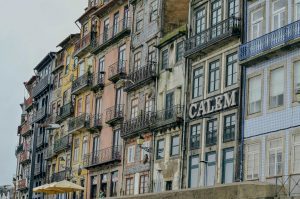
We arrived in the evening, dropped our bags, and followed the steep steps down to the river for dinner. The sound of people eating and laughing along the Douro River was the best welcome. Porto’s hills, winding streets, and tiled facades make it a city best explored on foot — and often, the most authentic Porto experiences are found by chance.
Over the next few days, we uncovered local places in Porto that most visitors miss — from hidden restaurants tucked down narrow alleys to quiet viewpoints with no crowds in sight. We joined a walking tour to learn about the two sides of the river and how Port wine became part of the city’s story. A port tasting followed, naturally — one of those things that feels touristy, but worth every sip.
This isn’t a guide to the main attractions — it’s about unusual things to do in Porto, the secret spots and local neighbourhoods that show you where locals go when they want to slow down and enjoy their city.
If you would prefer the quick guide to the hidden gems of Porto, scroll to the bottom.

Exploring Porto’s Real Neighbourhoods
Once you’ve wandered along Ribeira, crossed the bridge for those classic Douro views, and ticked off the main sights, it’s time to see a different side of the city — the one locals know best. These are the areas to explore when you’ve done the famous stops and want to uncover where locals go in Porto.
Start with Miragaia, one of Porto’s oldest neighbourhoods, where the streets twist uphill past colourful façades and washing lines sway between balconies. It’s quieter here, with cafés that still serve locals on their morning routines — a perfect taste of the authentic side of Porto. Just on the edge of Ribeira, as you begin to wander into Miragaia’s quieter streets, stop at Castro – Atelier de Pastéis de Nata on Rua de Mouzinho da Silveira 61 for one of the city’s best pastel de natas. Grab one, sprinkle on some cinnamon and enjoy with a strong coffee.
From there, make your way towards Bonfim, an up-and-coming area blending creativity and calm. You’ll find the hidden restaurants in Porto — small spots serving fresh fish or homemade stews, often with only a few tables. Recommended options include Atrevo, Rogério do Redondo, and Euskalduna Studio.
Bonfim also hides unusual things to do in Porto, like the tiny Do Arco da Belha gallery, and the vintage shop A Casa do Vintage, which sells clothes, trinkets, and quirky finds. Don’t miss Rooftop Flores, a relaxed terrace bar with sweeping views — one of the quiet viewpoints in Porto.
If you have time, take the historic Tram Line 1 from Infante to Foz do Douro, where the city meets the Atlantic. This stretch feels like you’re living amongst the locals — families walking their dogs, surfers heading into the waves, and couples sharing a glass of vinho verde as the sun sets. It’s the kind of scene that captures authentic Porto experiences perfectly: slow, sunlit, and a little bit hidden.
Savouring Porto: Port Wine, Riverside Walks & Hidden Experiences
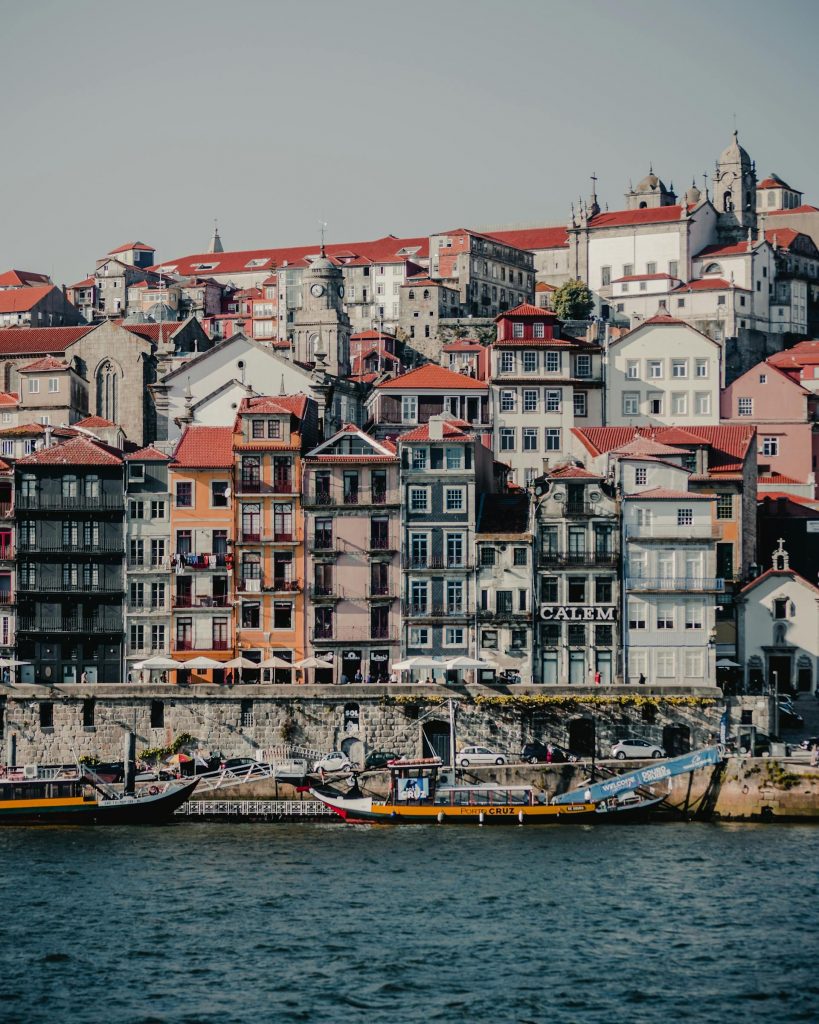
One of the best ways to experience authentic Porto is through its food, drink, and riverside life — beyond the tourist-packed wine cellars. We joined a walking tour that explained how Porto developed along both sides of the Douro River, and how Port wine became a defining part of the city’s history.
Port wine’s story begins in the 17th and 18th centuries, when English wine merchants, cut off from French wines due to trade wars, looked to Portugal’s Douro Valley. To ensure the wine survived the long voyage across the sea, the English helped pioneer fortification — adding brandy to stop fermentation, keeping the wine stable and sweeter for the journey. The Methuen Treaty of 1703 further boosted exports by lowering duties on Portuguese wine entering England, cementing Port’s international reputation.
To experience this for myself, I visited the Cálem Wine Cellars in Vila Nova de Gaia for a tasting. Standing among barrels in the hushed cellars, each glass felt steeped in centuries of trade, craftsmanship, and cultural exchange. The wine cellar also has a restaurant/bar with a terrace looking out over the Douro, perfect for sipping a glass or having a meal while watching Porto’s skyline.
After the tasting, take a quiet riverside walk along the Douro. The paths reveal corners that rarely make it into guidebooks: hidden cafés, small footbridges, and secret spots Porto where locals linger over coffee, sketch the view, or simply watch the river flow. On the Gaia side, we stopped at Café Avenida for a calm coffee break — a perfect spot to recharge before continuing along the river.
Another great spot to get some food on this side of the river is Espaco Poro Cruz, ideal for soaking up the calm away from the crowds. These little discoveries capture the essence of non-touristy things to do in Porto: small, authentic moments that linger.
If you want to experience Porto like a local, remember: explore the smaller neighborhoods, enjoy quiet cafés and hidden restaurants, and take time to wander — the best moments are often the unplanned ones.
Quick guide: Hidden Gems of Porto
- Coffee & café breaks: Café Avenida on the Gaia side for calm riverside coffee
- Port tasting: Cálem Port Lodge, with a bar overlooking the Douro
- Hidden restaurants: DeCastro Gaia – fresh, local Portuguese cuisine with Douro views
- Neighborhood walks: Miragaia, Bonfim, and the riverside for authentic Porto experiences
- Secret spots Porto: Look for small galleries, vintage shops (Casa do Vintage), and quiet viewpoints