Written From… a desk overlooking the London skyline.
I’ve always had this restless curiosity about the world — that urge to see how other people live, to taste new food, to stand somewhere far from home and think, so this is what it looks like here.
All through my teens and uni years, the idea of a “gap year” floated in and out of conversations. Friends talked about it like a dream — the kind of thing you say you’ll do one day. But for me, it never really left. It stuck — this quiet itch to go, to experience something completely different before real life settled in. After university, the idea of taking a gap year kept coming back to me, and eventually, it became more than just a thought — it became a plan.
Eventually, the plan took shape. My partner and I decided on Australia — somewhere vast, warm, and adventurous enough to fill a whole year. A year after finishing uni, we finally went for it: bought a camper van, mapped a loose route, and spent twelve months driving across the country. From the surf beaches of the east coast to the dusty red heart of the outback, we covered most of the map. The only part we didn’t quite reach was the remote northwest — still on my list for next time.
Looking back, that decision shaped so much more than a year of travel. It taught me how to plan big dreams in small steps — something people still ask me about, even now.
Because, even though I did this gap year in 2018, when people find out I did it, their first question, even to this day, is always the same:
“Why did you decide to take a gap year and how?”
Why did I decide to take a gap year?
When I finished uni, I did what most people do — found some work, started thinking about what came next, and tried to figure out the so-called grown-uppath. But somewhere between the nine-to-five routine and the conversations about mortgages, I realised I wasn’t quite ready to jump straight into the serious stuff.
Before I settled into that next stage — houses, careers, responsibilities — I wanted to do something just for me. I wanted to go while I still had that freedom, before life started to anchor me in one place.
Of course, the idea came with its fair share of doubts. What if I failed? What if I got too homesick? What if it didn’t turn out the way I imagined? But when I really thought about it, those fears started to sound a bit silly. What did failing even mean? If I gave it a go, that was already enough. And if I wanted to come home early, I was lucky to know I’d always have a family who would welcome me back — whether I stayed two days or the full year.
So that became my mindset: to go, to try, and to see as much of Australia as I possibly could. To do it the backpacker way — living in a van, following the sun, deciding each morning where the next day would take me.
In today’s world, where so many people spend years saving for a house or waiting for the “right time,” it’s easy to feel like taking off for a year will set your plans back. But honestly, I found the opposite. That year gave me space — to think, to grow, and to see what I really wanted from life before diving into the next chapter.
Because once I’d made the decision to go and take a gap year abroad, the next big question was the one everyone asks:
“How did you even start to plan a gap year?”
How did you even start to plan a gap year?
Once I’d decided I was really going, the next question was the one everyone still asks me: how on earth do you start to plan a gap year like this?
For me, it began with numbers — the unglamorous part of any big adventure. I started by working out how much it might actually cost to live in different parts of Australia. I compared hostel prices, estimated monthly living costs, and looked into what I’d need for food, fuel, and those inevitable little extras that add up when you’re on the road.
Pretty quickly, I realised the best way to keep costs down (and maximise freedom) was to travel by van. I spent weeks researching van prices across the country — because, fun fact, they vary depending on where you buy. I also looked into how much it would cost to park and sleep in different areas. Australia has an amazing setup for van life, with plenty of free or low-cost spots where you can stay for a few nights — a dream for backpackers.
Planning the route was the fun part. I started in one corner of the map and worked my way around, plotting where I would to go to cover as much ground as possible without feeling rushed – I also wanted the freedom to decide on the day if I stay longer in one place, or move on. In hindsight, when we landed in the north, we probably should have gone the other way around — Australia’s seasons differ depending on which end you’re in. We managed to arrive in the middle of tropical season, in croc country, expecting endless sunshine and beach days. You can’t get it all right — but that’s part of the fun.
Australia made sense for a few reasons. With a British passport, we could get a one-year working holiday visa, which meant we could explore without rushing but also pick up work if we needed to top up our savings. (The rules have changed since — you can now do two years without the farm work requirement, which is amazing.) We also knew this was a well-trodden path for people wanting to plan a gap year, so we could find help if needed.
The van turned out to be one of the best decisions we made. It was a big upfront cost, but it saved us six months’ rent and gave us total flexibility. We bought it in an area where vans weren’t in high demand — so prices were lower — and sold it later where everyone wanted one. We ended up losing just 200 AUD overall. Not bad for a home on wheels.
All the planning, budgeting, and spreadsheets were worth it in the end. Because once we’d figured out the logistics, the next big thing to tackle was the exciting part —
“How did I figure out my itinerary?”
How did I figure out my itinerary?
Once the budgeting was done and the visa approved, it was time for the fun part — mapping out where to actually go. I started with a blank map of Australia and marked all the big, must-see stops: Cairns, Canberra, Melbourne, Sydney, Adelaide, Perth. Then I began dotting in the smaller towns and coastal spots I’d heard so much about — Newcastle, Byron Bay, Phillip Island.
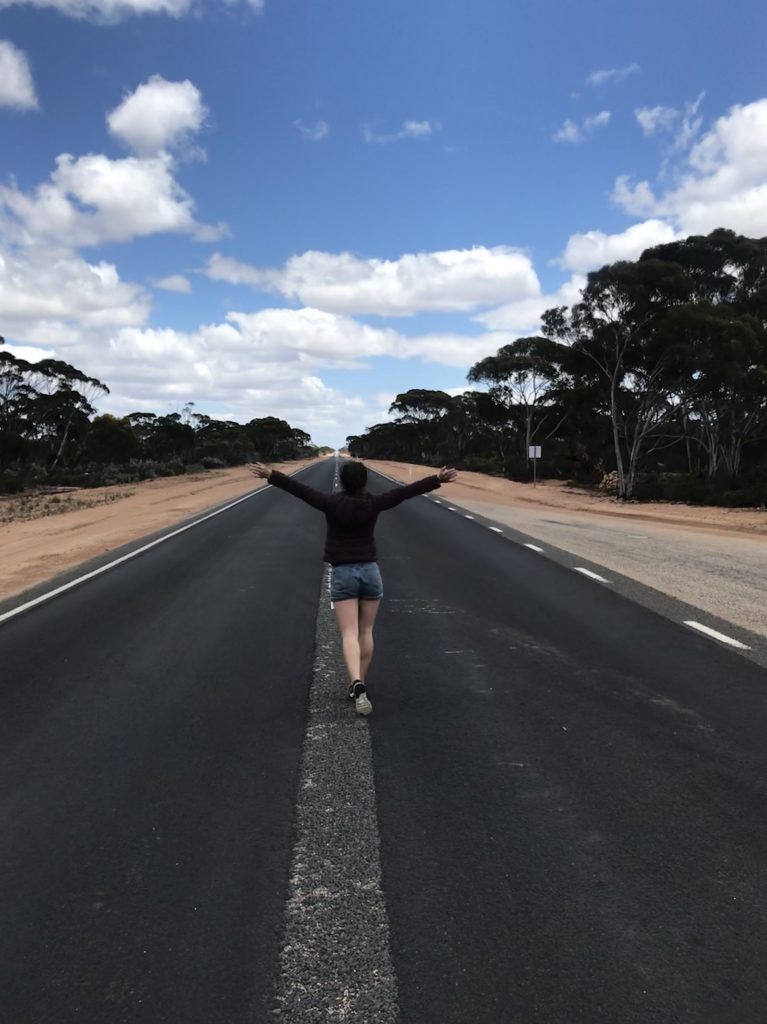
The plan for the gap year was never meant to be rigid. I had a rough idea of how long I might stay in each place — a few days here, a couple of weeks there — but I wanted the freedom to stay longer if I fell in love with somewhere, or move on if it didn’t quite click. That’s the beauty of travelling in a van: you can literally wake up one morning, look at a map, and decide your day from there.
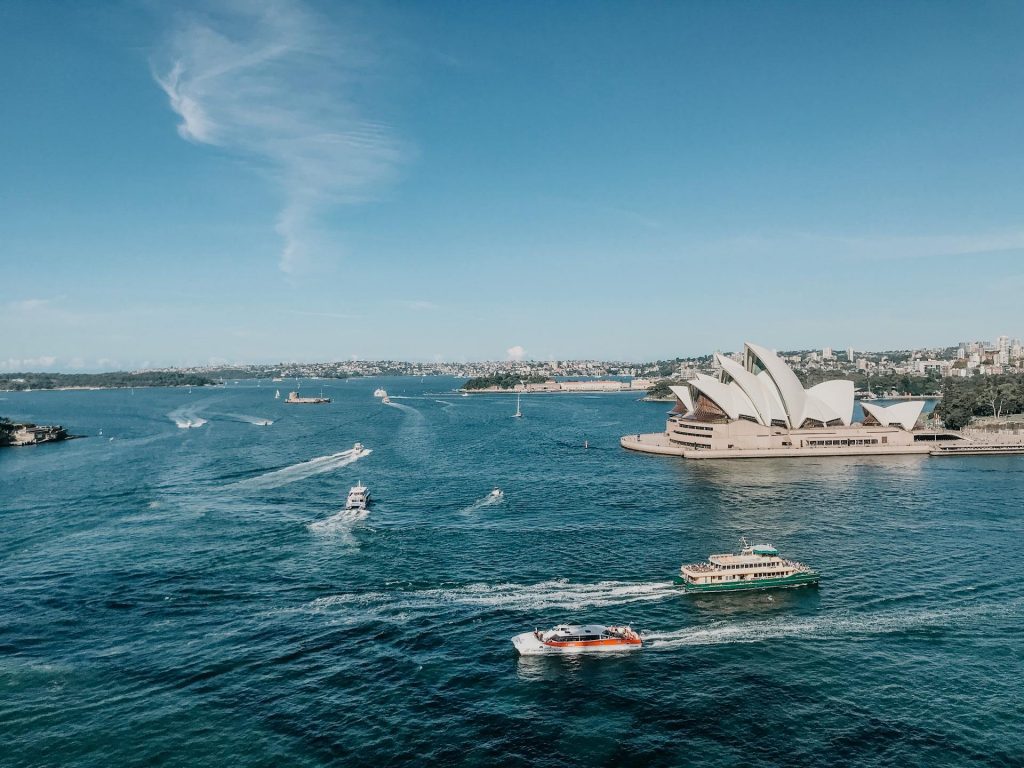
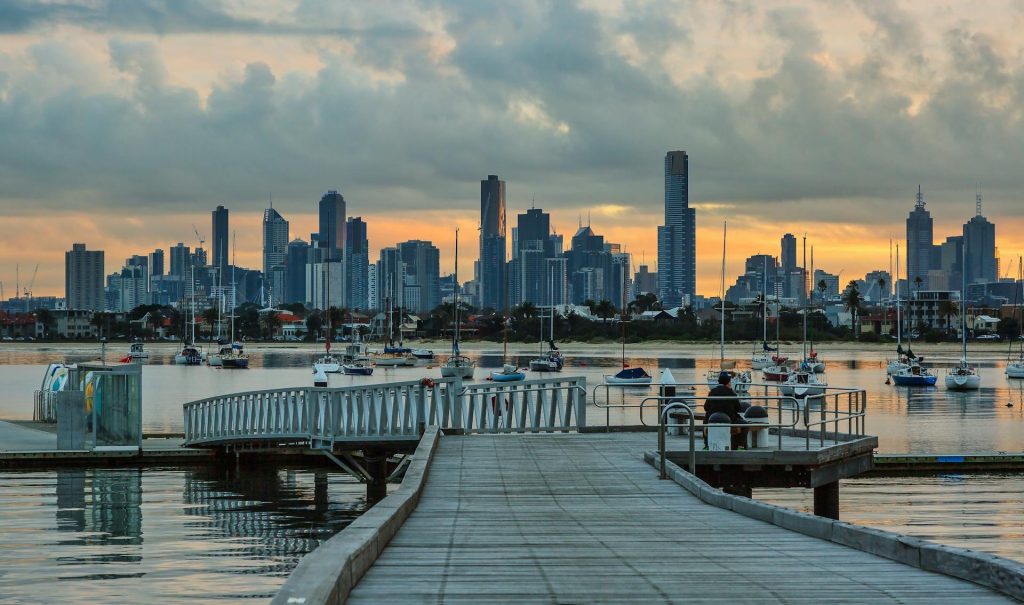
I made sure to build in time for both Sydney and Melbourne early on, because I wanted to see which one felt more like home before settling for a few months to work and save. Both had their charm — Sydney with its beaches and energy, Melbourne with its coffee, creativity, and slower rhythm. In the end, Melbourne won me over completely. The laid-back city stole my heart and became home for nearly four months.
By that point, the itinerary wasn’t just a plan anymore — it was becoming a rhythm. And as much as the freedom was incredible, I started to realise that planning can only take you so far before the real lessons begin.
Because if there’s one thing every traveller learns sooner or later, it’s that not everything goes perfectly. Which brings me to the next part —
“What do I wish I’d known before I left?”
What do I wish I’d known before I left?
Looking back, there are a few things I wish I’d known before setting off — not big, life-changing revelations, but little lessons that would’ve made those early weeks smoother.
The first one was the weather. Remember how I mentioned landing in tropical season? At the time, it felt like a bit of a disaster — heavy rain, humid nights, and warnings about crocodiles weren’t exactly the postcard version of Australia I’d imagined. But, as it turned out, it worked in our favour. We ended up travelling in the reverse direction to most other backpackers, which meant we often had beaches, campsites, and even whole stretches of coast almost to ourselves.
The second thing I learned quickly: you really don’t need as much as you think you do for a year abroad. I overpacked massively — clothes, gadgets, “just in case” items that barely left the bag. Australia’s lifestyle is wonderfully laid back. Most days, people are in swimmers, shorts, or activewear, and no one cares what you’re wearing. It’s freeing, and you realise that less really is more when everything you own fits in a van.
And maybe the biggest lesson of all — I wish I’d known not to worry so much. About whether I’d make friends, whether I’d get homesick, or whether I was doing the “right” thing. Because as soon as we started travelling, those fears disappeared. We met so many amazing people — other travellers, locals, kind strangers who made us feel at home even on the other side of the world.
It turns out, most of the things I was worried about never happened. And the things I didn’t plan for — the unglamorous weather, the detours, the spontaneous friendships — ended up being the best parts of the trip.
Because now, years later, I still get asked one last question:
“Would I do it all again?”
Would I do it all again?
Absolutely — I’d do it all again in a heartbeat. Even though to plan a gap year takes a lot, that sense of freedom we felt on the road was unforgettable. There’s something incredibly special about waking up with no set plan, no deadlines, and no expectations — just deciding where to go next, one sunrise at a time.
Even now, years later, I catch myself daydreaming about buying a camper van here in the UK, just to chase that same feeling again — the joy of slow travel, of moving at your own pace, of staying somewhere simply because it feels right.
We came back different — more confident, more grounded, and more sure of who we were. Not just as individuals, but as a couple too. We learned how to work together, problem-solve, and make decisions as a team, even when things didn’t go to plan. Those lessons have stuck with us ever since.
And then there are the friendships — the people who turned up in our lives for a few weeks or a few months and ended up staying forever. Some we’ve met up with again in other countries; others are still in Australia, and we dream of visiting them when we go back one day. Because yes — we will go back.
Taking that year wasn’t a pause on life; it was the start of something bigger. It gave me perspective, courage, and memories I’ll carry forever. So if you’re sitting there wondering whether to take that leap, whether to plan your own gap year, maybe this is your sign. Go. Do it. See where the road takes you.